ENPT
Product Design | Estácio · YDUQS
Year
Role
Duration
Team
Tools
Dozens of simultaneous disciplines, with radically different content, had to become clear and consistent e-learning modules.
Product Designer & Front-end in multidisciplinary squads: Figma prototypes, HTML/CSS/JS implementation and Design System evolution.
Modules delivered at scale over 2.5 years, with high prototype fidelity and consistency guaranteed by the Design System.
Product Designer at Ensineme, the e-learning platform of Estácio and the YDUQS group. The work covered the design of educational modules for radically different disciplines, in collaboration with instructional designers, content creators, curators and technology teams. Each delivered module was a pedagogical decision translated into interface.
Ensineme was the e-learning platform of Estácio, Brazil's largest private higher education network, part of the YDUQS group. At any given time, dozens of different modules were active simultaneously for courses ranging from Law to Engineering, from Veterinary Medicine to Communication.
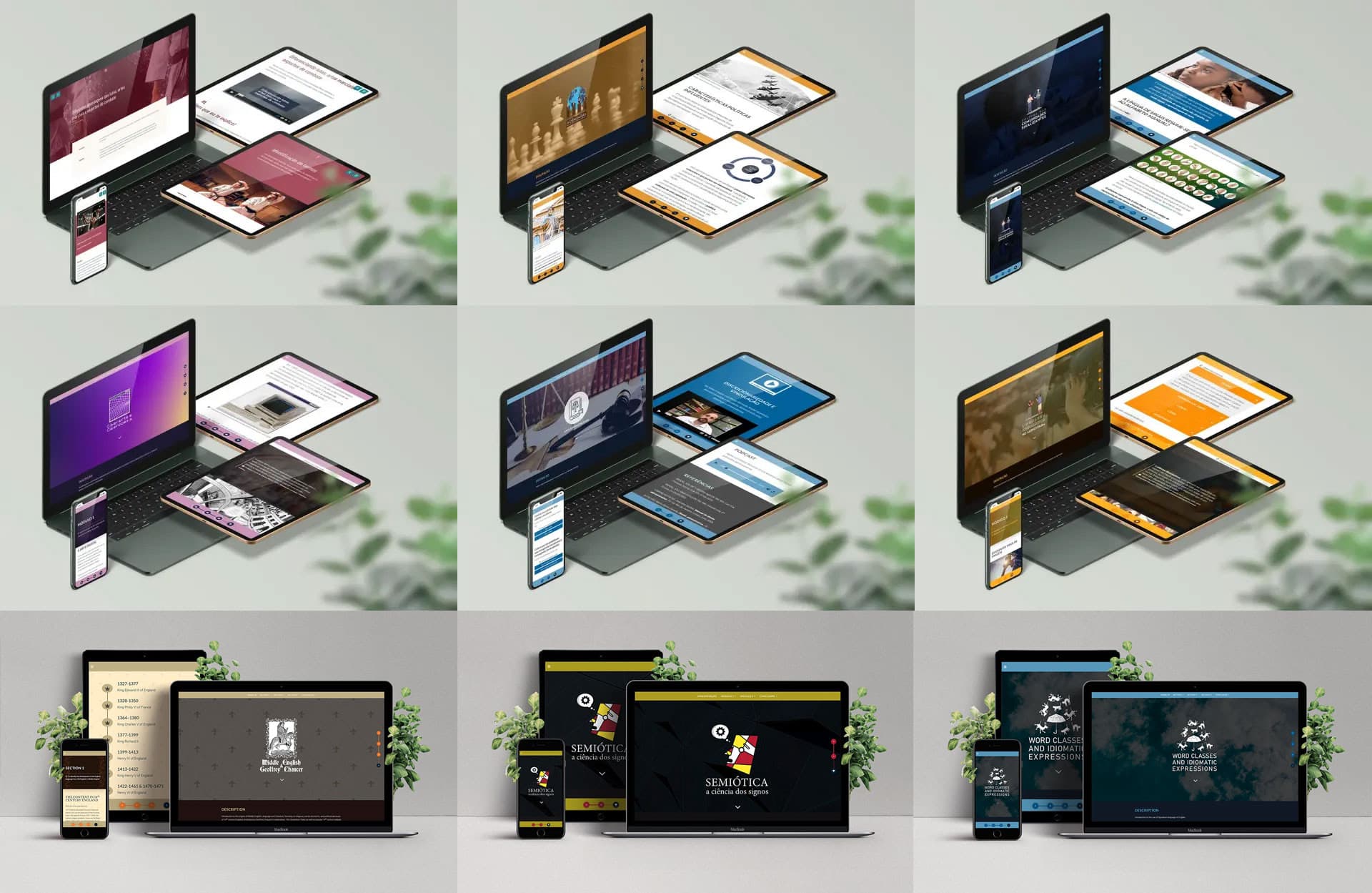
The challenge wasn't designing a single module. It was ensuring radically different content worked with the same clarity within the same system: a philosophical text, a calculation sequence, a lecture video and a historical timeline all needed to share recognizable interaction patterns without resembling each other.
Each module started with the designer and instructional designer pair. The pedagogical architecture arrived defined; my role was to translate it into interface. Meetings with other professionals in the process, including curators and content creators, brought product and business perspective that fed design decisions beyond the visual level.
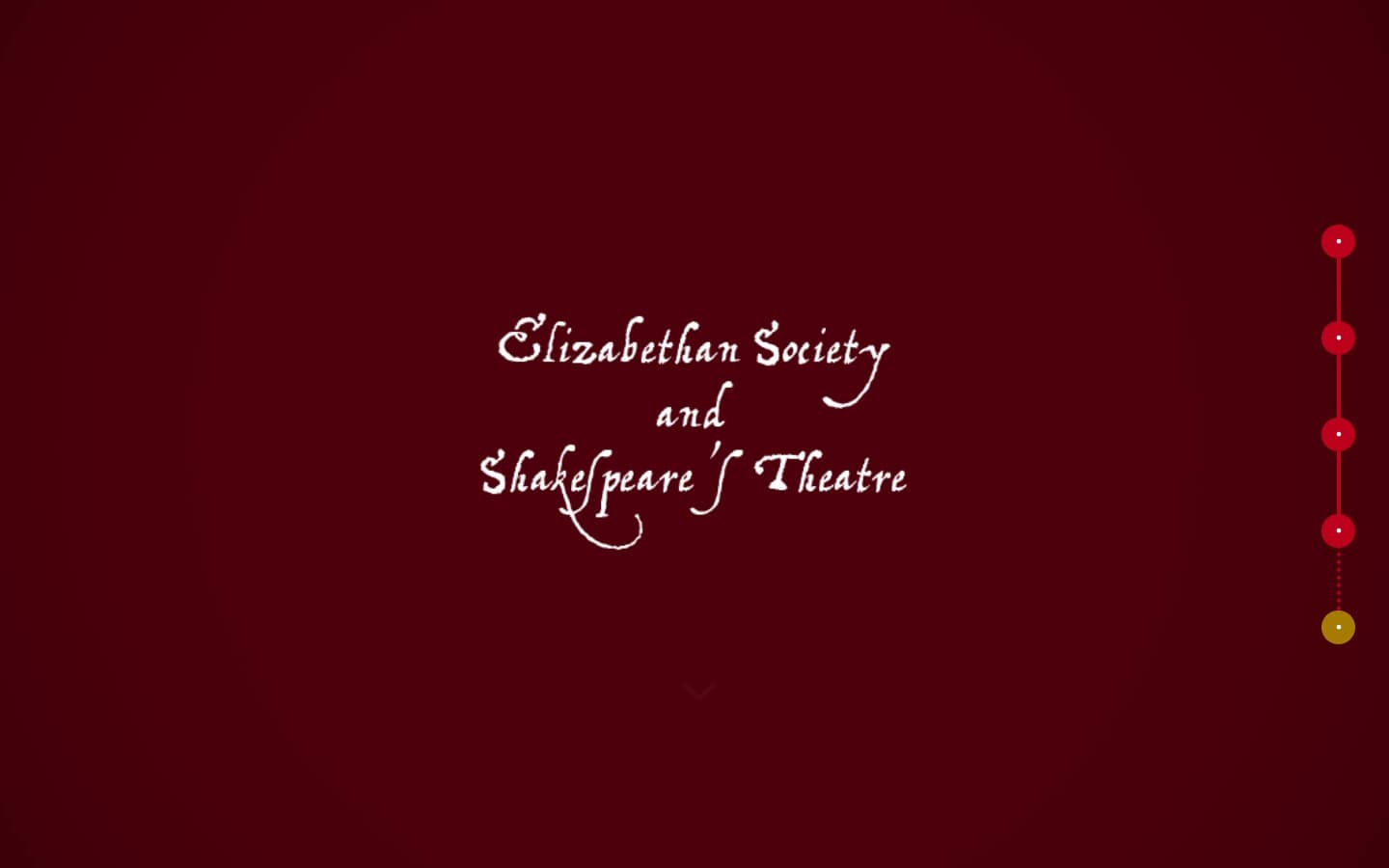
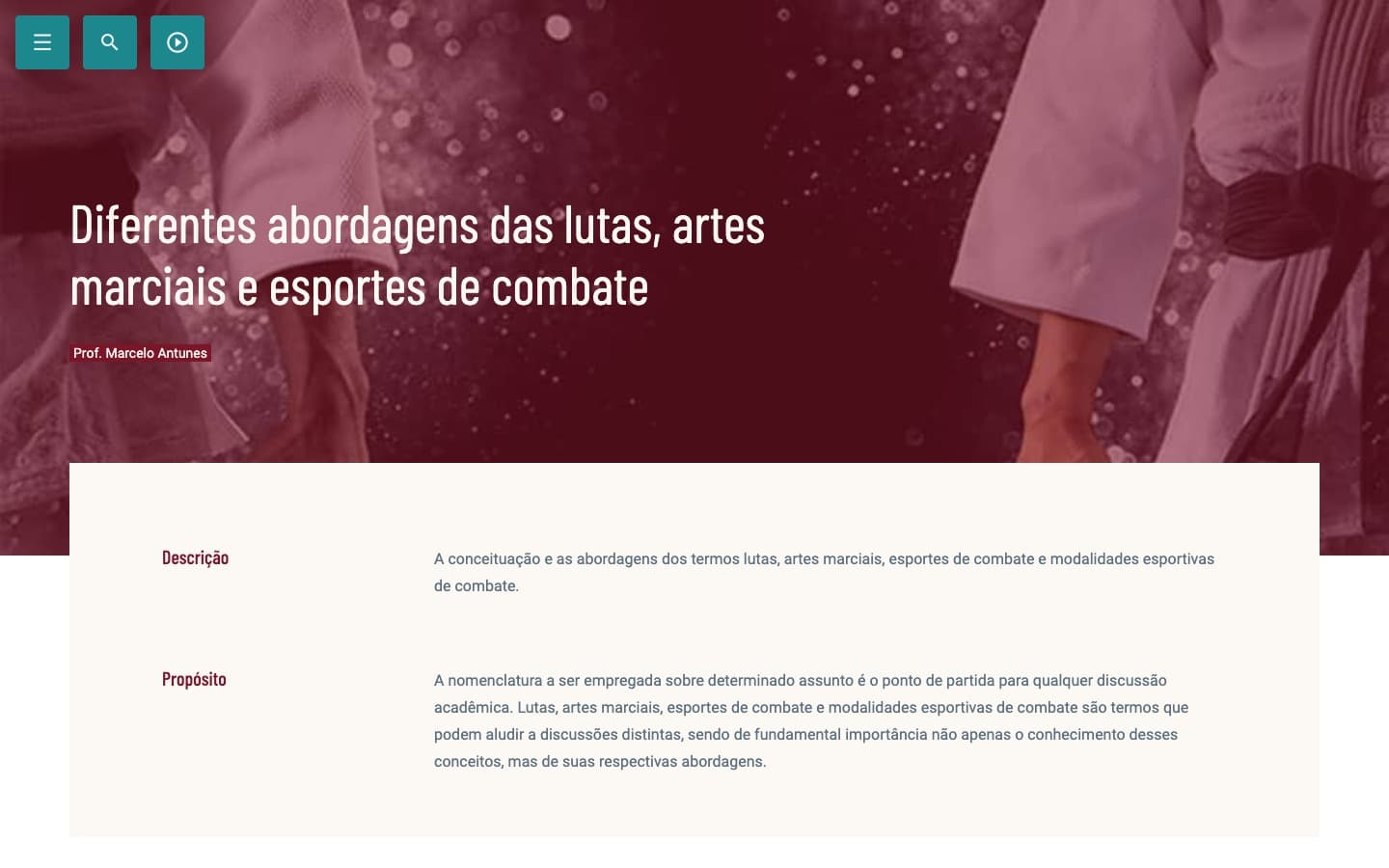
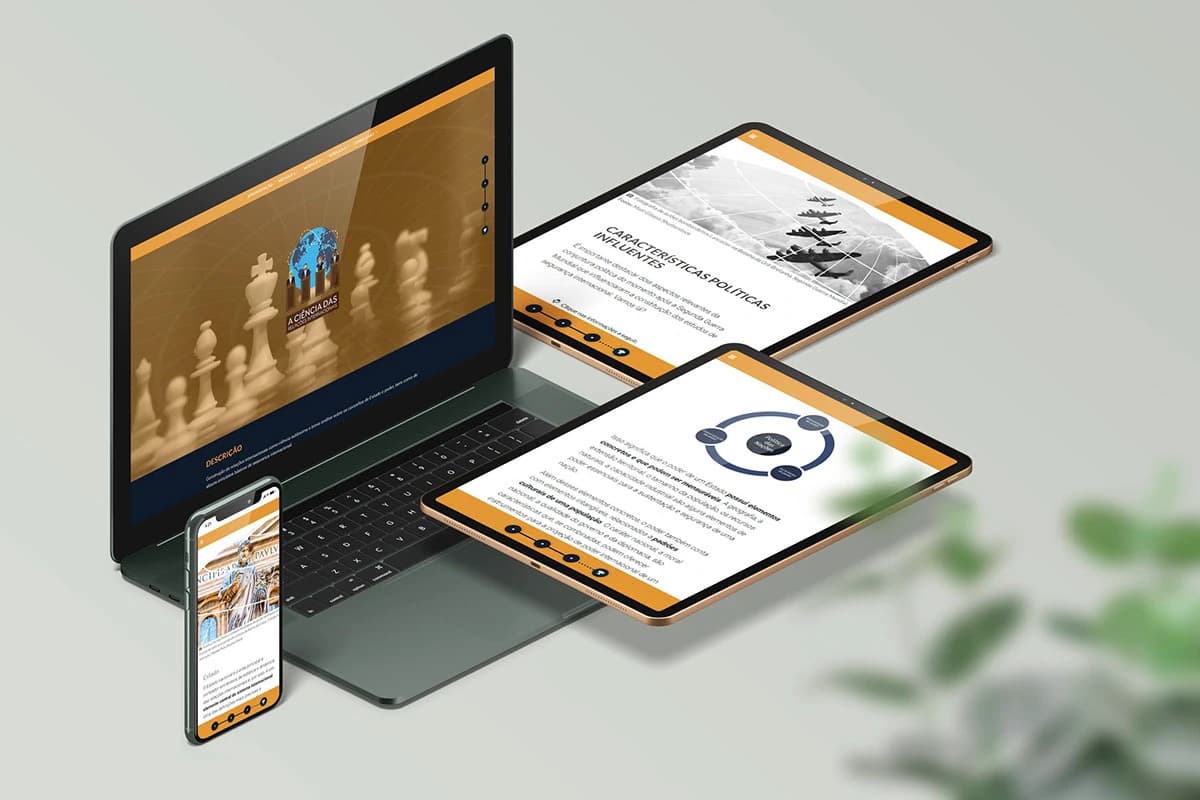
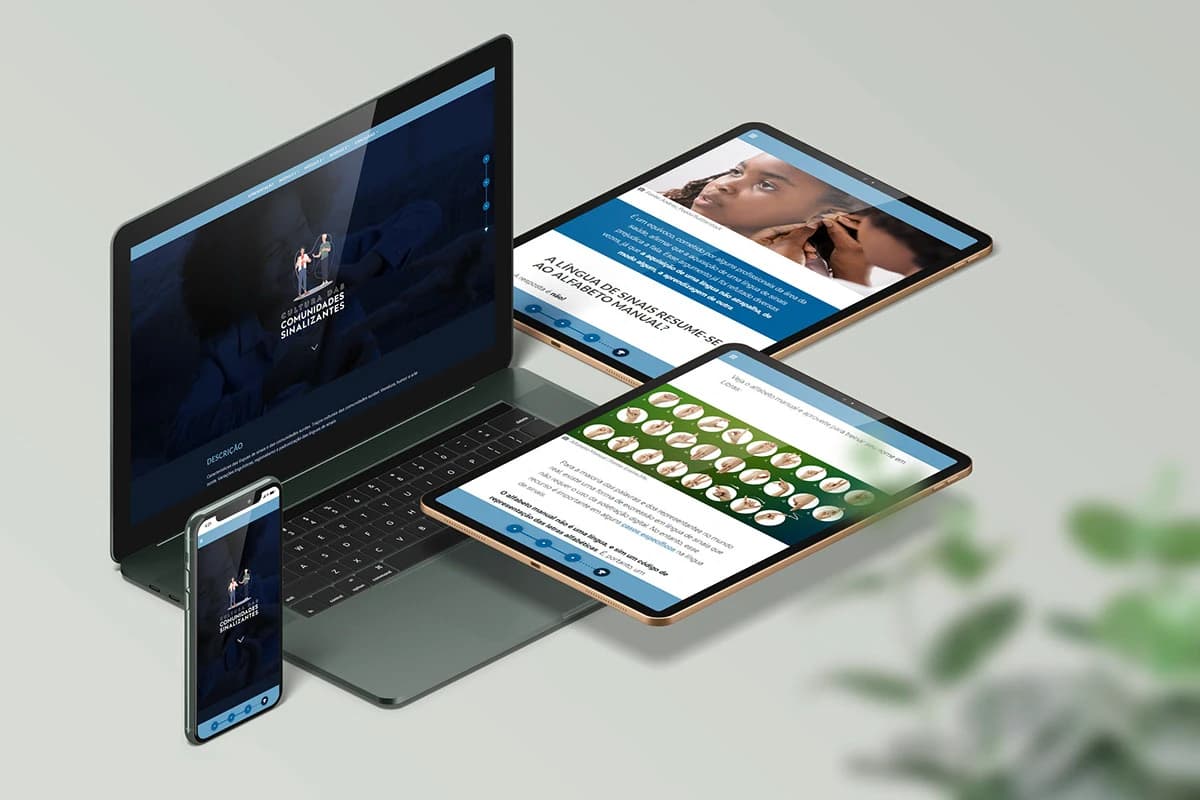
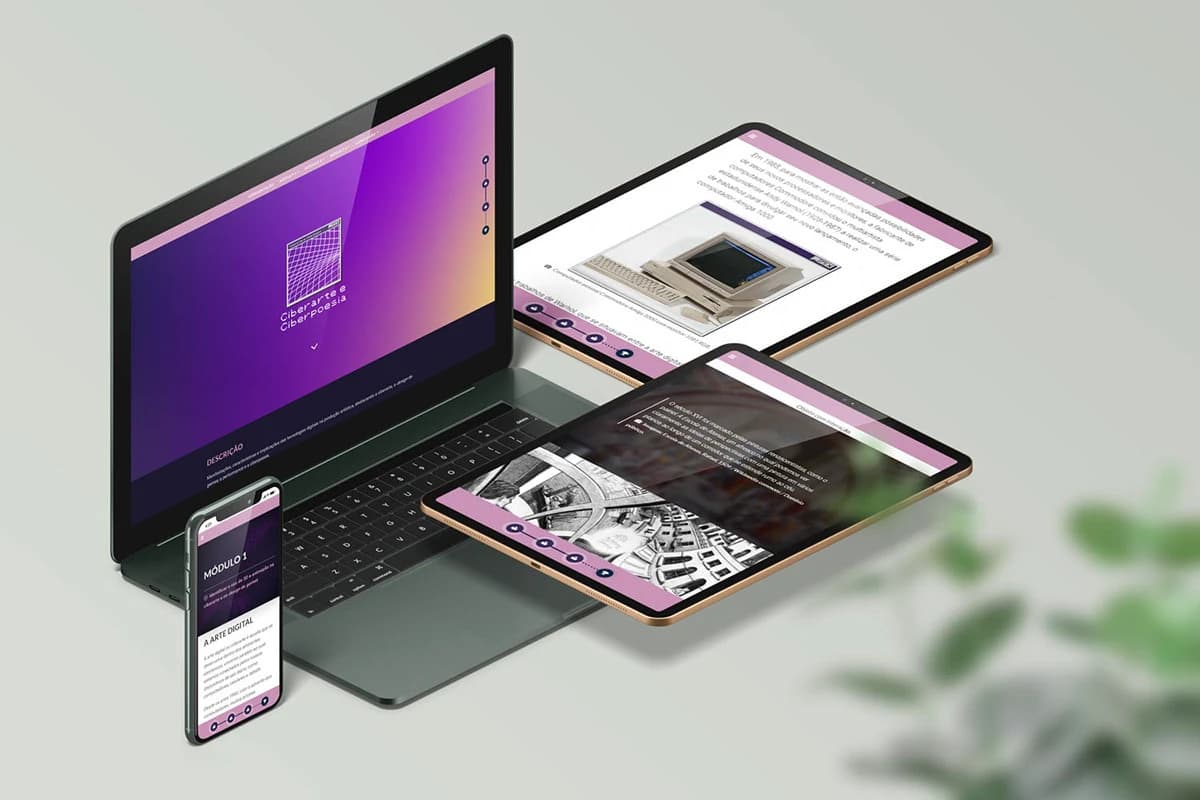
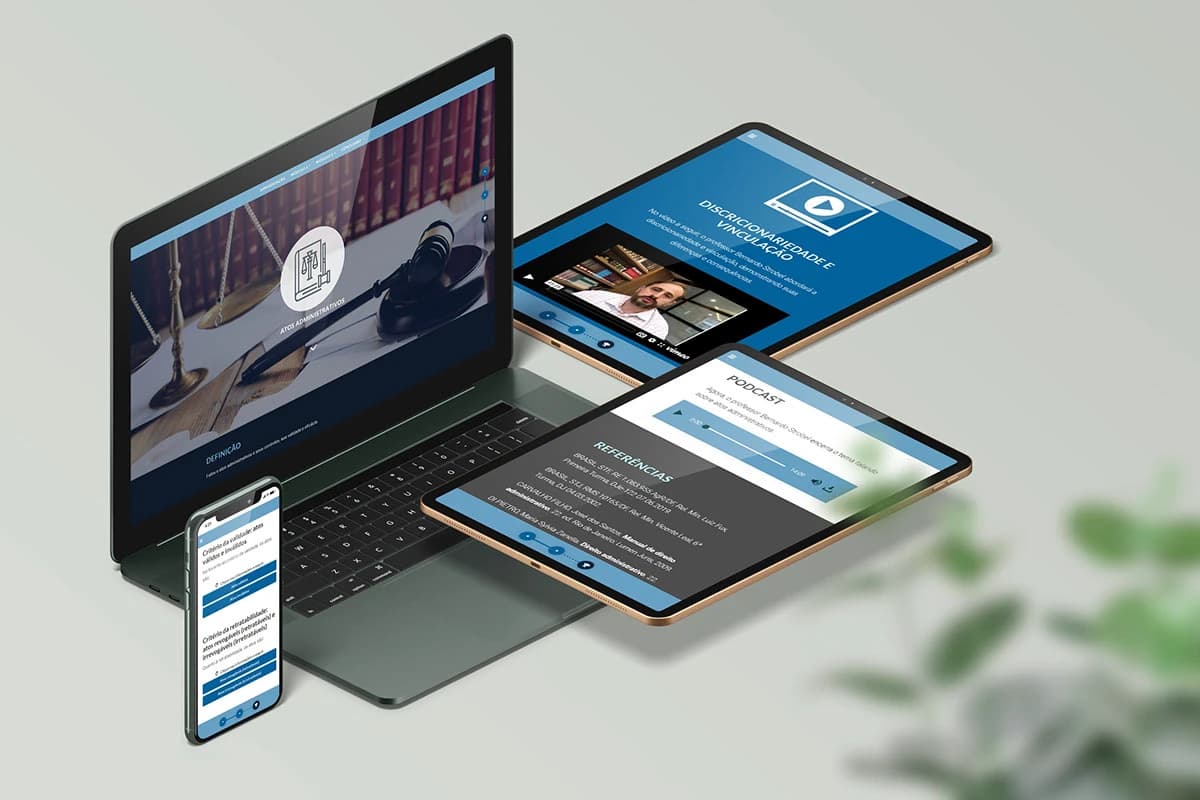
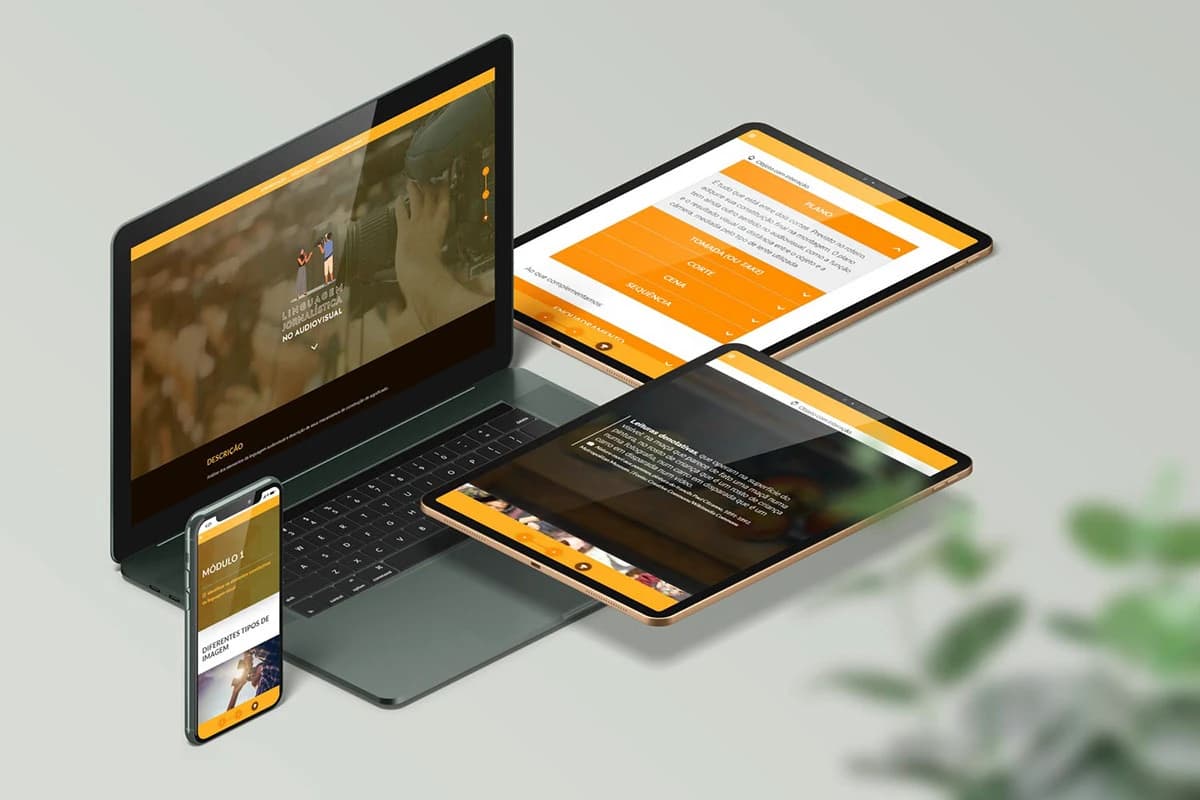
Lesson mockups from different disciplines with Estácio's design system already applied, shown on desktop, tablet and mobile. More than isolated screens, they show how the same typography, color and component patterns stay consistent across radically different content and on any device.